Welcome To

Environmental Justice & Sustainable Communities

INTRODUCTION

Meet the Founder

Our Mission

To create a world where environmental justice, community empowerment, and sustainable living are accessible to all.

Our Vision

We envision a world where environmental justice is a given, and every person, regardless of their zip code or income, has access to clean air, clean water, green spaces, and the resources needed to build sustainable, thriving communities.

Building Sustainable And Equitable Communities

Creating environmentally just and sustainable communities can be challenging, but it’s also an opportunity for growth, leadership, and lasting change. By fnding the right strategies and support systems, young people and communities can thrive while protecting the environment and public health.

Building a Support Network

Community is key. Seek out environmental justice organizations, climate action groups, or community coalitions that prioritize equity and sustainability. Surrounding yourself with like-minded advocates and allies can provide vital support as you work toward environmental change in your neighborhood.

Prioritizing Mental and Physical Health

Environmental stressors like pollution, lack of green spaces, and climate anxiety can take a toll on well-being. Connect with community health resources, participate in outdoor wellness activities, or join virtual spaces focused on environmental health education and mutual support.

Connecting to Your Environment

Stay grounded in your relationship with nature and your local community. Engage in activities like community gardening, park cleanups, or cultural traditions that honor environmental stewardship. This connection can be a source of strength and purpose in creating change.

Advocating for Your Community

Don’t be afraid to speak up against environmental injustices or harmful policies. Educate yourself about environmental rights,attend community meetings, and lean on trusted advocates or organizations to address challenges constructively and demand accountability from decision-makers.

Utilizing Available Resources

Many communities and organizations ofer resources aimed at environmental education and green job training. Take advantage of internship opportunities, environmental education programs, sustainability workshops, and funding for community-led environmental projects.
Explore our resource library for organizations, toolkits, and opportunities to get involved in environmental justice work.

The Power of Self-Care in Activism

Remember, sustaining the work includes taking care of yourself.Whether it’s spending time in nature, connecting with loved ones,or practicing mindfulness, self-care routines are essential for maintaining balance and preventing burnout while doing this important work.
THE PROBLEMS WE ADDRESS

Building Sustainable Communities Through Environmental Justice

Environmental Inequity

Young people in underserved communities often live in areas with poor air quality, contaminated water, lack of green spaces, and proximity to industrial pollution. These environmental burdens lead to health challenges, decreased academic performance, and limited opportunities for growth.

Lack of Environmental Representation

Communities most afected by environmental harm are often excluded from decision-making processes about land use, pollution, and climate policy. Young people from these neighborhoods lack access to environmental careers, green jobs training, and mentors in sustainability felds, limiting their ability to advocate for change.

Climate Vulnerability

Marginalized neighborhoods face disproportionate impacts from climate change - including extreme heat, fooding, and poor infrastructure - yet receive fewer resources for climate adaptation and disaster recovery. This creates unsafe living conditions and compounds existing inequalities.

Systemic Barriers to Sustainable Living

Limited access to healthy food, safe outdoor spaces, public transportation, and energy-eficient housing makes it harder for families in underserved areas to live sustainably, despite these communities contributing least to environmental problems.

Combined Health and Wellbeing Impacts

The combined efects of environmental injustice, climate vulnerability, and lack of community resources signifcantly impact the mental and physical health of residents. Higher rates of asthma, heat-related illness, stress, and anxiety are common, often compounded by lack of healthcare access and environmental health education within institutions and community systems.
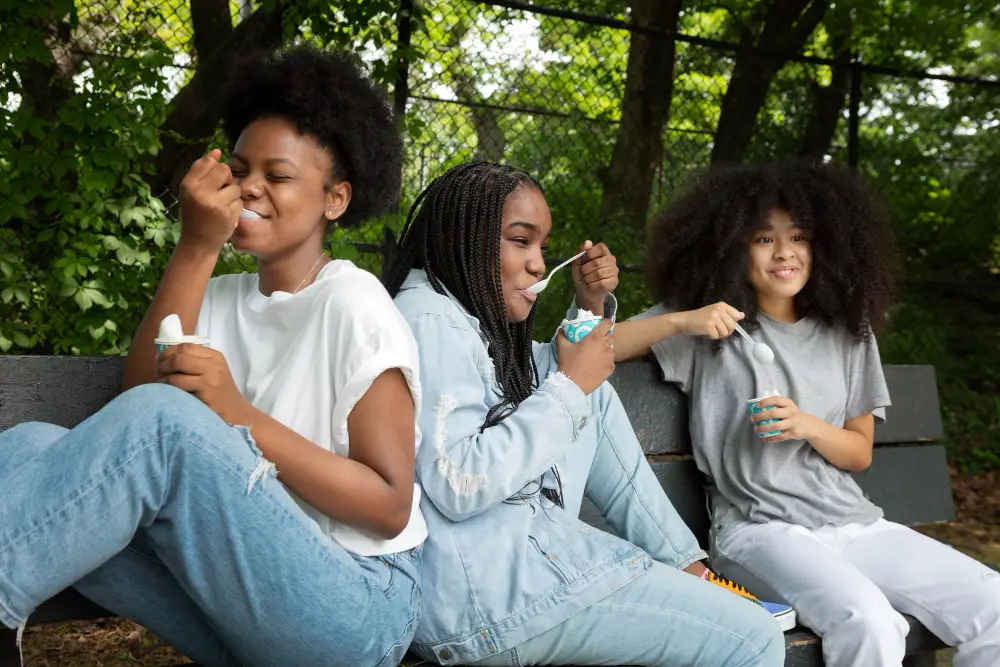
Let's change the world, Join us now!

As we build these virtual spaces, it’s crucial to ensure they remain inclusive, accessible, and action-oriented. By fostering supportive environments online, we can continue to uplift communities, providing them with the knowledge, tools, and networks needed to fght for environmental justice and create sustainable futures for all.

Building Virtual Communities For Environmental Justice

In a world where communities face environmental inequities, virtual platforms have emerged as powerful tools for creating safe, empowering spaces. These digital communities ofer connections, support, and resources that help people navigate environmental challenges and advocate for sustainable, healthy neighborhoods.

The Power of Shared Experience

Connection matters, especially for those living in areas afected by pollution, climate impacts, or lack of green spaces. Virtual communities ofer opportunities to connect with others facing similar environmental challenges, fostering a sense of solidarity and collective power to demand change.

Fostering Mental Health and Well-Being

Access to supportive networks can have a profound impact on mental and physical health. These communities provide safe environments for people to share concerns about environmental health, celebrate community wins, and receive encouragement from others who understand the challenges of living in environmentally burdened areas.

Tools for Growth and Environmental Leadership

From mentorship in green careers to skill-building workshops on community organizing, virtual spaces ofer many resources to empower environmental advocates. These platforms host discussions, webinars, and events focused on environmental policy, sustainable practices, climate resilience, and environmental justice strategies.

Environmental Education As A Foundation For Justice

Education is a cornerstone of growth and development, yet its impact deepens when environmental realities and community experiences are acknowledged and centered. Environmental justice education goes beyond science facts; it fosters critical thinking, community empowerment, and a sense of agency for students from communities most afected by environmental harm.

Bridging the Gap: Environmental Justice in Curriculum

When students learn about environmental inequities, pollution in their own neighborhoods, and the history of community-led environmental movements, it validates their lived experiences. This inclusion enhances engagement and fosters understanding of how environmental issues connect to health, economics, and social justice.

Building Leadership Through Green Career Pathways

Representation in environmental felds and green industries is equally critical. Young people from afected communities are empowered when they see environmental scientists, policy advocates, and sustainability leaders who share their background.These role models inspire and demonstrate pathways to careers in environmental protection and climate solutions.

Fostering Community-Centered Learning

An inclusive environmental education celebrates diverse cultural relationships with nature and land stewardship, making space for indigenous knowledge, community wisdom, and local solutions. Such learning encourages collaboration, problem-solving, and community organizing, preparing students to advocate for environmental change.

Education as Environmental Empowerment

Environmental justice education isn’t just about learning science;it’s about empowerment. By creating learning spaces that honor community knowledge, address real environmental challenges, and equip students with advocacy skills, we lay the foundation for healthier communities and a more sustainable, equitable future.
Ready to bring environmental justice education to your community? Explore our curriculum resources and  workshop oferings.

GET INVOLVED

Educators and community leaders can start by: – Mapping local environmental issues with students – Inviting community environmental advocates as guest speakers – Connecting classroom learning to real-world environmental action projects -Organizing community conversations about local environmental concerns – Developing partnerships with environmental justice organizations
Our Solution

Building Sustainable and Equitable Communities

We create safe spaces that provide supportive environments where young people can connect with peers who share similar experiences and challenges. These spaces foster a sense of belonging and community, reducing feelings of isolation and promoting mental well-being for all participants.

In our virtual safe spaces, participants are encouraged to express their cultural identity freely, celebrate their heritage, and build resilience. We recognize that creating truly sustainable communities requires addressing the environmental inequities that exist in marginalized neighborhoods – from air and water pollution to lack of green spaces and disproportionate climate impacts.

Through education and community support rooted in environmental and social justice, we empower young people to become informed advocates and leaders. Our programs help participants understand the connection between healthy environments and thriving communities, equipping them with knowledge about sustainable practices, environmental policy, and community organizing. We prepare the next generation to challenge environmental injustices, develop climate solutions, and build resilient, sustainable communities where everyone can fourish.

Our approach cultivates confdence, academic and personal growth, and a commitment to creating lasting change – fostering leaders who understand that true sustainability must include equity, justice, and opportunity for all.

OUR LATEST BLOGS

Checkout news & updates

Meet the Founder

Zaiya Collins

Zaiya Collins, the visionary founder of Protecting Peace, is dedicated to uplifting and empowering Black girls within predominantly white institutions (PWIs). As a high school student who has attended PWIs almost her entire life, Zaiya recognizes the unique and multifaceted challenges faced by Black girls in these environments. With a background in non-profit leadership from having served as the Chair for Socioeconomic Awareness and Reading Comprehension with Grace 4 Race 501c3, her passion for creating equitable and supportive spaces led her to establish Protecting Peace. Under her leadership, Protecting Peace will develop innovative programs and initiatives that provide educational resources, foster cultural identity, and promote mental well-being.